Introduction
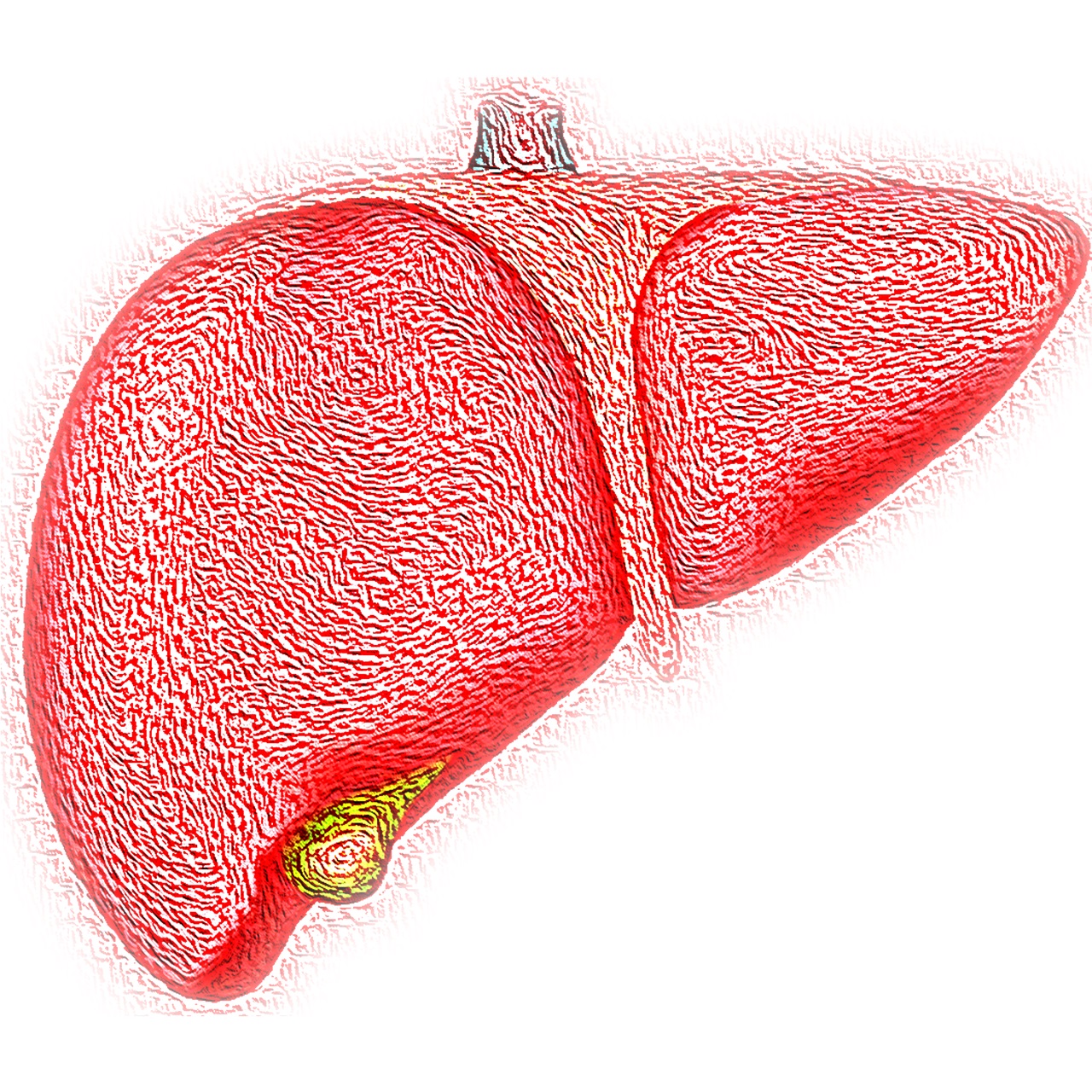
Fatty liver disease, also known as hepatic steatosis, is a condition characterized by the accumulation of fat in the liver cells. It is a prevalent condition that can range from benign to more severe forms, such as non-alcoholic fatty liver disease (NAFLD) and non-alcoholic steatohepatitis (NASH). This article aims to provide an overview of fatty liver disease, including its causes, symptoms, diagnosis, and available treatments.
Causes of Fatty Liver Disease
Alcohol Consumption: Excessive alcohol intake is a leading cause of fatty liver disease. Alcohol metabolism puts a strain on the liver, leading to fat accumulation over time.
Obesity and Poor Diet: Obesity, especially when accompanied by a high intake of unhealthy fats and sugars, increases the risk of developing fatty liver disease. Insulin resistance and metabolic disorders are often associated with this condition.
Type 2 Diabetes: Individuals with diabetes have a higher likelihood of developing fatty liver disease due to insulin resistance and altered lipid metabolism.
Medications: Certain medications, such as corticosteroids, tamoxifen, methotrexate, and antiretroviral drugs, may contribute to the development of fatty liver disease.
Genetics: Genetic factors can influence an individual’s predisposition to fatty liver disease. Some individuals may have a higher susceptibility to accumulating fat in the liver.
There can be various other causes ranging from air pollution to cement and fine dust. Proper cleaning of surfaces where dust particles can accumulate reduces those risks. Therefore, it’s a good practice to periodically go for carpet cleaning, floor cleaning, and cleaning any other surface you can think of.
Symptoms of Fatty Liver Disease
In its early stages, fatty liver disease may not cause noticeable symptoms. However, as the condition progresses, the following symptoms may manifest:
– Fatigue and weakness
– Abdominal discomfort or pain in the upper right quadrant
– Elevated liver enzymes in blood tests
– Jaundice (yellowing of the skin and eyes) in severe cases
Diagnosis of Fatty Liver Disease
Medical History and Physical Examination: The doctor will review your medical history, including alcohol consumption, medications, and any underlying medical conditions. They will also perform a physical examination to assess the liver’s size and check for signs of liver disease.
Blood Tests: Liver function tests and blood tests can help evaluate liver enzymes, cholesterol levels, and markers of inflammation.
Imaging Tests: Ultrasound, computed tomography (CT), or magnetic resonance imaging (MRI) scans can provide visual evidence of fat accumulation in the liver and determine the severity of the disease.
Liver Biopsy: In some cases, a liver biopsy may be performed to assess the extent of liver damage and determine the presence of inflammation or fibrosis.
Treatment and Management of Fatty Liver Disease
Lifestyle Modifications: The primary treatment approach for fatty liver disease involves lifestyle changes. These include:
Weight loss: Achieving and maintaining a healthy weight through a balanced diet and regular exercise can help reduce liver fat and improve overall health.
Healthy Diet: Adopting a diet rich in fruits, vegetables, whole grains, lean proteins, and healthy fats while avoiding sugary foods, processed snacks, and excessive alcohol consumption.
Regular Exercise: Engaging in regular physical activity, such as aerobic exercises and strength training, can help improve insulin sensitivity and promote weight loss.
Management of Underlying Conditions: If fatty liver disease is associated with conditions like obesity, diabetes, or high cholesterol, it’s important to manage these conditions through medication, lifestyle changes, and regular monitoring.
Medications: In some cases, medications may be prescribed to manage specific aspects of fatty liver disease, such as insulin-sensitizing agents or cholesterol-lowering drugs. However, the efficacy of these medications is still being studied.
Close Monitoring: Regular follow-up appointments with your healthcare provider are crucial to monitor the progression of fatty liver disease, assess treatment effectiveness, and make any necessary adjustments to the management plan.
Conclusion
Fatty liver disease is a common condition that can range from benign to potentially serious forms. Adopting a healthy lifestyle, including a balanced diet, regular exercise, and weight management, plays a pivotal role in preventing and managing fatty liver disease. It is essential to consult with a healthcare professional for an accurate diagnosis, personalized treatment plan, and ongoing monitoring to ensure optimal liver health and overall well-being.
